Customer Portal




Switch Now
to the smart way to plug and inject
 Sales & Service Contact
Your local contact in
Technical customer service
+43 50 620 3333
service.ea@engel.at
Spare parts sales
+43 50 620 3333
service.ea@engel.at
Support Hotline 24/7
+43 50 620 3333
Fees for the ENGEL hotline vary depending on the country. Details

Schwertberg/Austria – March 2026
Injection moulding processors are under growing pressure to produce faster,more consistently and more cost-efficiently,while managing material usage,floor space,labour requirements and long-term investment confidence. In this environment,success is no longer defined by machine performance alone,but by how well a production solution supports the required outcome in everyday operation.
At Chinaplas 2026,taking place from 21 to 24 April in Shanghai,the ENGEL Group will present a broad range of live production solutions designed around these real production challenges. The focus is on helping processors increase productivity,stabilise quality,reduce operating costs and open up new application opportunities.
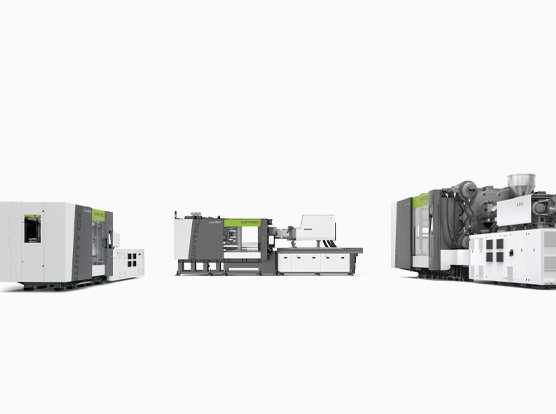
With ENGEL and WINTEC,the Group combines two complementary brands with one clear commitment:helping customers select the right production solution for their specific application,business priorities and investment strategy. ENGEL focuses on highly integrated,application-specific system solutions,while WINTEC offers robust,standardised production solutions with high cost efficiency.
The six live exhibits serve as proof points. From automotive surface finishing and lightweight components to packaging,medical,LSR,MuCell®and AI-based assistance systems,they show how processors can translate technology into practical production benefits such as shorter process chains,lower material usage,reduced scrap,higher system availability and more efficient use of machine and personnel resources.
Automotive surface finishing:reducing process steps while improving surface quality
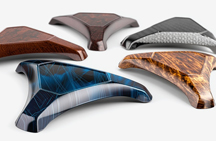
Customer expectations in automotive exteriors are rising,while processors must control investment costs and process complexity. ENGEL demonstrates how surface finishing can be integrated directly into the injection moulding process with an automotive production cell based on an ENGEL duo 700 two-platen injection moulding machine for a B-pillar trim. The fully automated 3 component injection moulding cell with 7,000 kN clamping force uses ENGEL clearmelt technology to combine part production and coating in one process.
By coating parts directly in the mould,ENGEL clearmelt shortens the process chain and significantly reduces investment costs. It also delivers high-quality,scratch-resistant surfaces with self-healing effects.
The component made of polycarbonate and ABS has a part weight of 260 g and is additionally overmoulded with 90 g of polyurethane. The injection moulding cell is equipped with an ENGEL easix articulated robot integrated into the CC300 control,which removes the components. The total cycle time is 90 seconds.
The duo two-platen injection moulding machine used is designed in a wide-platen version. This makes the production solution particularly suitable for components that require wider platens at the same clamping force.
Automotive lightweighting:reducing weight,material usage and required machine size for hollow part production
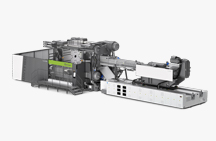
A second automotive exhibit addresses the pressure to reduce component weight and material consumption without compromising function. It shows the production of air intake ducts on a tie-bar-less ENGEL victory 120 with 1,200 kN clamping force using fluidmelt technology.
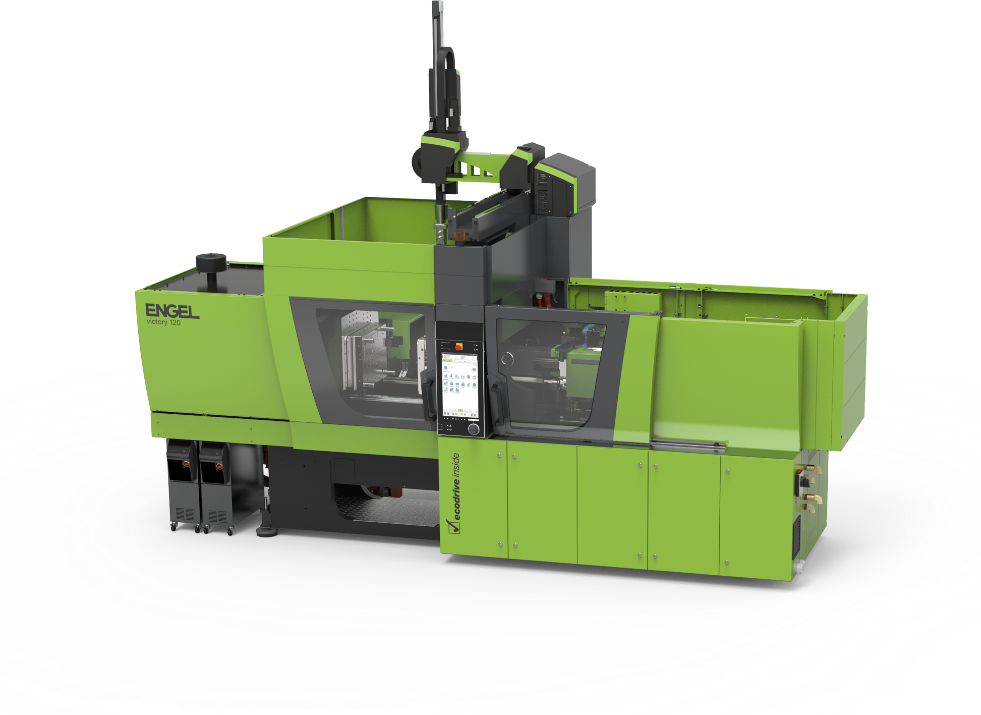
Image 1:The ENGEL victory 120 with integrated viper linear robot enables,through tie-bar-less technology,a freely accessible mould space and the space-saving,cost-efficient production of complex components.
With ENGEL fluidmelt,hollow structures can be produced through the injection of water or gas. In this process,the molten core of the component is displaced into an overflow cavity or back into the plasticising unit,creating a cavity within the component. At Chinaplas,the process is demonstrated using gas injection and overflow cavities. The component,with a shot weight of 166 g,is manufactured from a PA66 compound with 30% glass fibre in a cycle time of 50 seconds.
The production cell is automated with an ENGEL viper linear robot,which is fully integrated into the CC300 machine control. The tie-bar-less victory 120 injection moulding machine used is particularly suitable for complex and large moulds as well as for easy access by the automation,due to the freely accessible mould space. Thanks to the large platens and the tie-bar-less technology,a machine with only 1,200 kN clamping force can be used instead of a conventional injection moulding machine with 1,800 kN. This supports lower investment costs and efficient use of floor space.
Packaging:high output,stable quality and cost-efficient production on a compact footprint
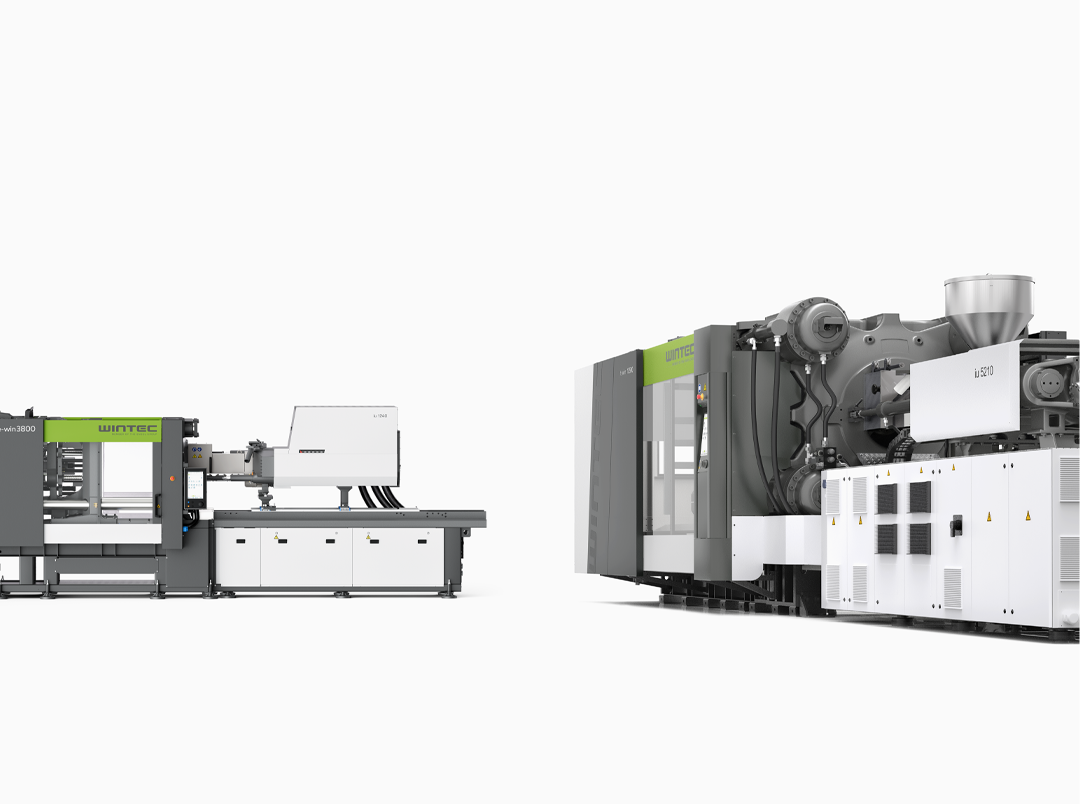
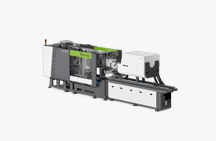
In packaging,profitability depends on maintaining high output and short cycle times while keeping component quality stable across high-cavity moulds. ENGEL presents an all-electric production solution based on an e-mac 380 with 3,800 kN clamping force. Flip-top closure caps are manufactured from 90% HDPE and 10% LDPE in a 48-cavity mould from Cartisan.
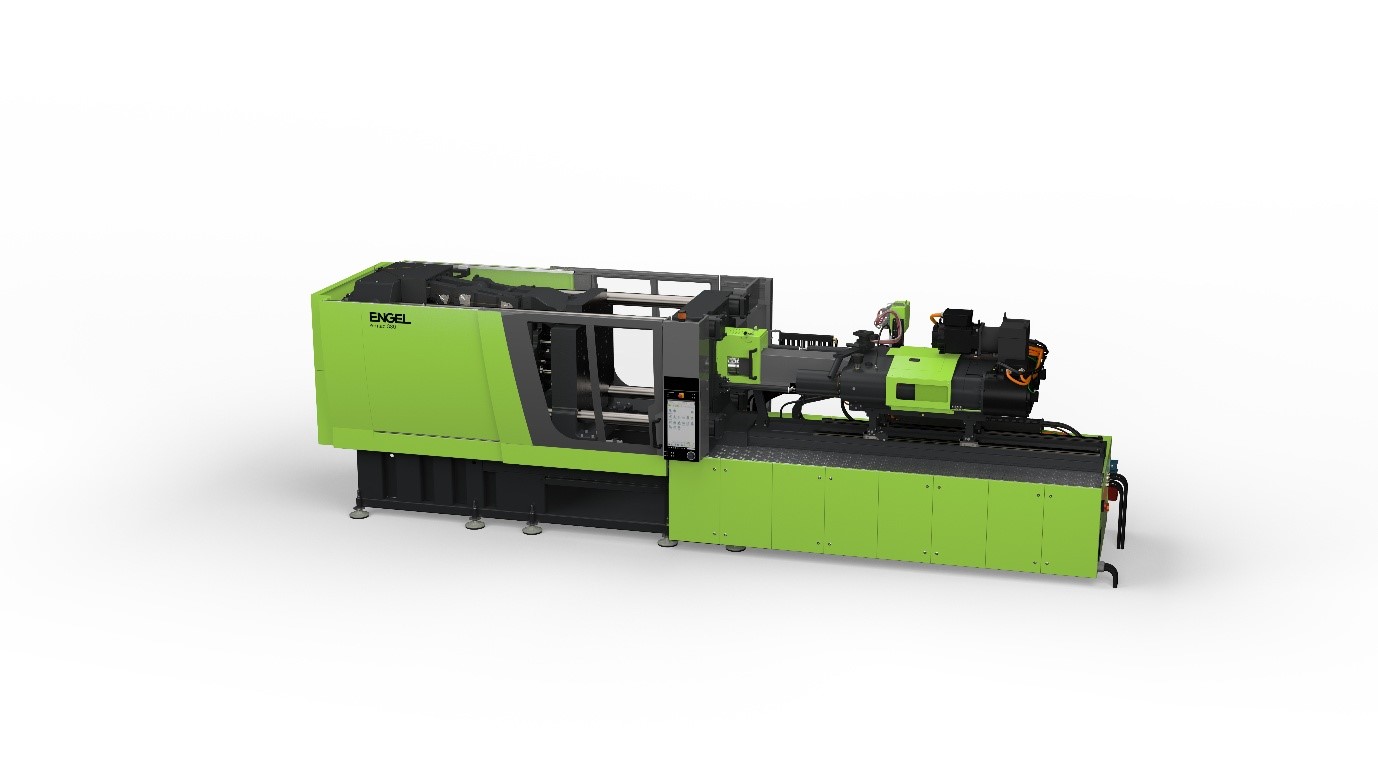
Image 2:The all-electric e-mac 380 enables short cycle times,reproducible quality and energy-efficient series production on a compact footprint at high cavity counts.
The production solution combines high output with precise process control and addresses requirements where high cavity counts,short cycle times and reproducible quality determine cost efficiency. The all-electric e-mac supports this with precise motion sequences,high repeatability and energy-efficient operation. The part weight of the application shown is 2.5 g,resulting in a shot weight of 120 g. The cycle time is 12 seconds.
For processors,the combination of energy efficiency,stable process control in multi-cavity moulds,compact design and integrated automation supports reliable high-volume production while helping to keep unit costs under control.
Medical:stable,clean and cost-efficient production for high-volume applications
In medical production,processors need repeatability,clean part handling and productivity at scale. WINTEC,the ENGEL Group brand for robust and cost-efficient standardised solutions,presents an all-electric production solution on an e-win 3200 injection moulding machine with 3,200 kN clamping force. The compact e-win produces precise 10 ml syringe barrels from polypropylene with a part weight of 4.6 g in a 48-cavity mould from TK. For short cycle times of only 10 seconds and clean transport,the components are freely discharged onto a covered Z-conveyor belt.
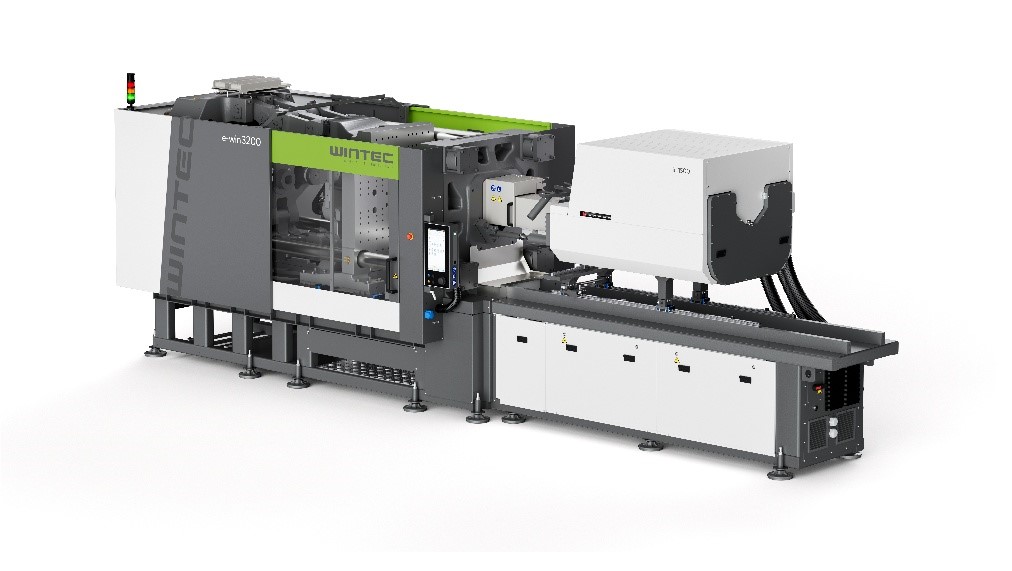
Image 3:The all-electric WINTEC e-win 3200 combines stable process control with a compact design,thereby enabling the cost-efficient production of medical mass products.
This production solution combines precise manufacturing,compact machine design and controlled part handling. For medical processors,it supports high repeatability and cleanliness within a compact cell,while helping to maintain productivity and cost efficiency in mass production.
The WINTEC e-win offers an all-electric injection moulding solution with precise and parallel movements,robust construction,high energy efficiency and short delivery times. As a standardised solution platform,it supports stable processes,maximum productivity and long-term investment confidence.
LSR:reducing manual intervention through automated production and post-processing
LSR applications require precise moulding,gentle demoulding and consistent handling,while processors seek to reduce manual intervention and process cost. WINTEC presents an all-electric production solution on an e-win 1800 with 1,800 kN clamping force for a precise liquid silicone rubber application. Sealing mats for electrical connectors in electromobility are produced with a shot weight of 37.8 g in a cycle time of 60 seconds.
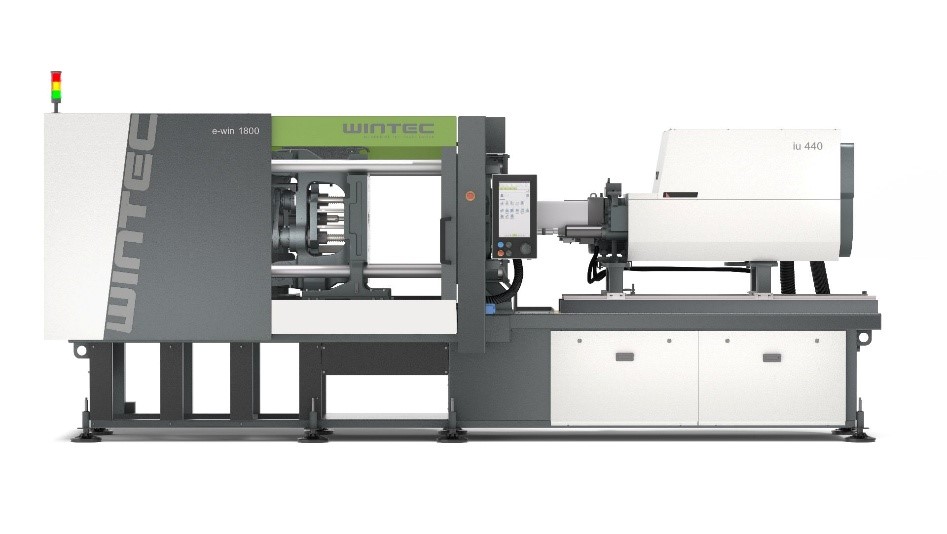
Image 4:The all-electric WINTEC e-win 1800 enables fully automated LSR processing including gentle demoulding of components,thereby reducing manual intervention and process costs.
The production cell is fully automated with an integrated ENGEL viper linear robot,which gently removes the components from the mould using a special brush. By integrating automated handling and post-processing directly in the cell,the solution helps processors produce precise LSR components with less manual intervention and greater process consistency.
MuCell®:lowering material usage and unit cost in sizeable components
The larger the part,material usage,weight,cycle time and floor space have a direct impact on competitiveness. WINTEC presents a production solution with a t-win 6500 two-platen injection moulding machine with 6,500 kN clamping force. The production of a mini refrigerator housing using MuCell®demonstrates how complex interior components can be produced more lightly and cost-effectively with physical foaming without compromising design. The use of MuCell®reduces cycle time,weight and material consumption,thereby sustainably lowering unit costs. In physical foaming,material savings of up to 40% are possible depending on the application.
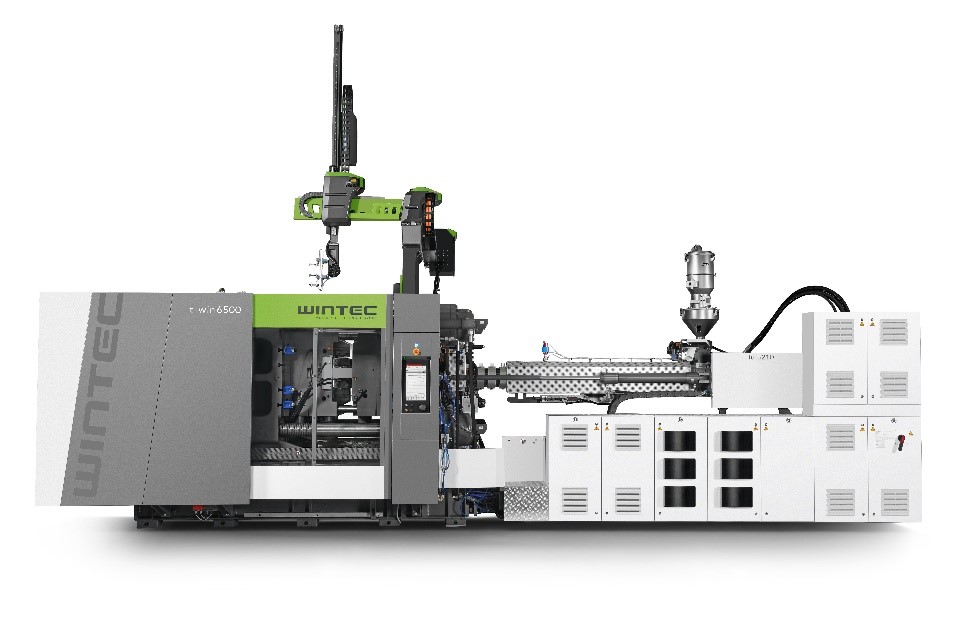
Image 5:The WINTEC t-win 6500 injection moulding machine with integrated viper 20 linear robot enables,through robust two-platen technology and automated handling,the cost-efficient production of large-volume components at short cycle times.
MuCell®operates with nitrogen or carbon dioxide,which is introduced into the polymer melt. The screw geometry optimised for MuCell®distributes the gas evenly,resulting in a fine cell structure in the mould. The result is a lighter component with high dimensional stability and at the same time high surface quality,suitable for visible applications. In the application shown at Chinaplas,a PP compound with 20% glass fibre is processed. The part weight is 558 g,the cycle time 45 seconds.
The t-win from WINTEC is characterised by its robust two-platen design for applications with large moulds and high clamping forces. Short-stroke pressure cushions enable short cycle times,while synchronous locking and the servo-hydraulic drive operate quickly and energy-efficiently. High energy efficiency,a compact footprint and optimised maintenance accessibility reduce total operating costs and lead to a fast return on investment.
The injection moulding cells from WINTEC are equipped with the intuitively operated C3 control. It supports clear process control with high performance. In addition,the new viper 20 linear robot is fully integrated into the control,handles the parts and relieves the operating personnel. The close integration of robot and machine within one control system increases production stability and reduces cycle times through the optimisation of motion sequences.
inject AI:improving process stability,system availability and cost efficiency
As production environments become more complex,processors need greater process transparency,faster response times and more consistent quality. With inject AI,ENGEL specifically extends its established iQ assistance systems with AI-based functions and further develops the proven inject 4.0 platform into a connected and learning production environment. This is demonstrated in the expert corner at the exhibition stand. Already today,solutions such as iQ weight control,iQ clamp control,iQ flow control,iQ melt control and iQ motion control intervene directly in the process and automatically adjust quality- and efficiency-relevant parameters. For example,iQ weight control compensates for fluctuations in material viscosity in real time and ensures consistent component quality. iQ clamp control dynamically adjusts the clamping force and thus reduces mould stress and energy consumption. iQ flow control stabilises temperature control,while iQ melt control monitors plasticising and detects process deviations at an early stage.
For processors,this results in a comprehensive support system that not only stabilises processes but also continuously optimises them. The iQ process observer uses AI to analyse more than 1,000 process parameters simultaneously,detects deviations at an early stage and derives specific recommendations for action. This is complemented by the ENGEL Virtual Assistant,which makes system-specific knowledge immediately available,as well as by AI-based applications such as the part finder for the rapid identification of spare parts via photo. Overall,this improves the cost efficiency of production through reduced scrap,higher system availability and more efficient use of machine and personnel resources.
The ENGEL Group
Two brands,one commitment:the right production solution for each customer need
Within the ENGEL Group,ENGEL and WINTEC address different customer requirements. ENGEL is positioned for applications requiring a high degree of integration,process know-how and individual system solutions. WINTEC focuses on robust,standardised and cost-efficient injection moulding solutions. This complementary portfolio gives processors the flexibility to select the solution that best fits their application,production environment and investment strategy. For injection moulding processors,this means access to technologically optimised production solutions designed to improve productivity,process stability,cost efficiency and long-term competitiveness.
Images:ENGEL Machinery Changzhou
ENGEL AUSTRIA GmbH
ENGEL is one of the leading companies in plastics processing machinery. Today,the ENGEL Group offers all technology modules for plastics processing from a single source:injection moulding machines for thermoplastics and elastomers,and automation – with individual components also competitive and successful in the market. With twelve production plants in Europe,North America and Asia (China,Korea) as well as subsidiaries and representatives in more than 85 countries,ENGEL provides its customers worldwide with optimum support to remain competitive and successful with new technologies and state-of-the-art production systems.
Press contact:
Tobias Neumann,Press Officer,ENGEL AUSTRIA GmbH
Ludwig-Engel-Strasse 1,A-4311 Schwertberg,Austria
E-mail:tobias.neumann@engel.at
Legal notice:
The user,trade and brand names and product designations used in this press release may be protected trademarks,even if not specifically identified as such.